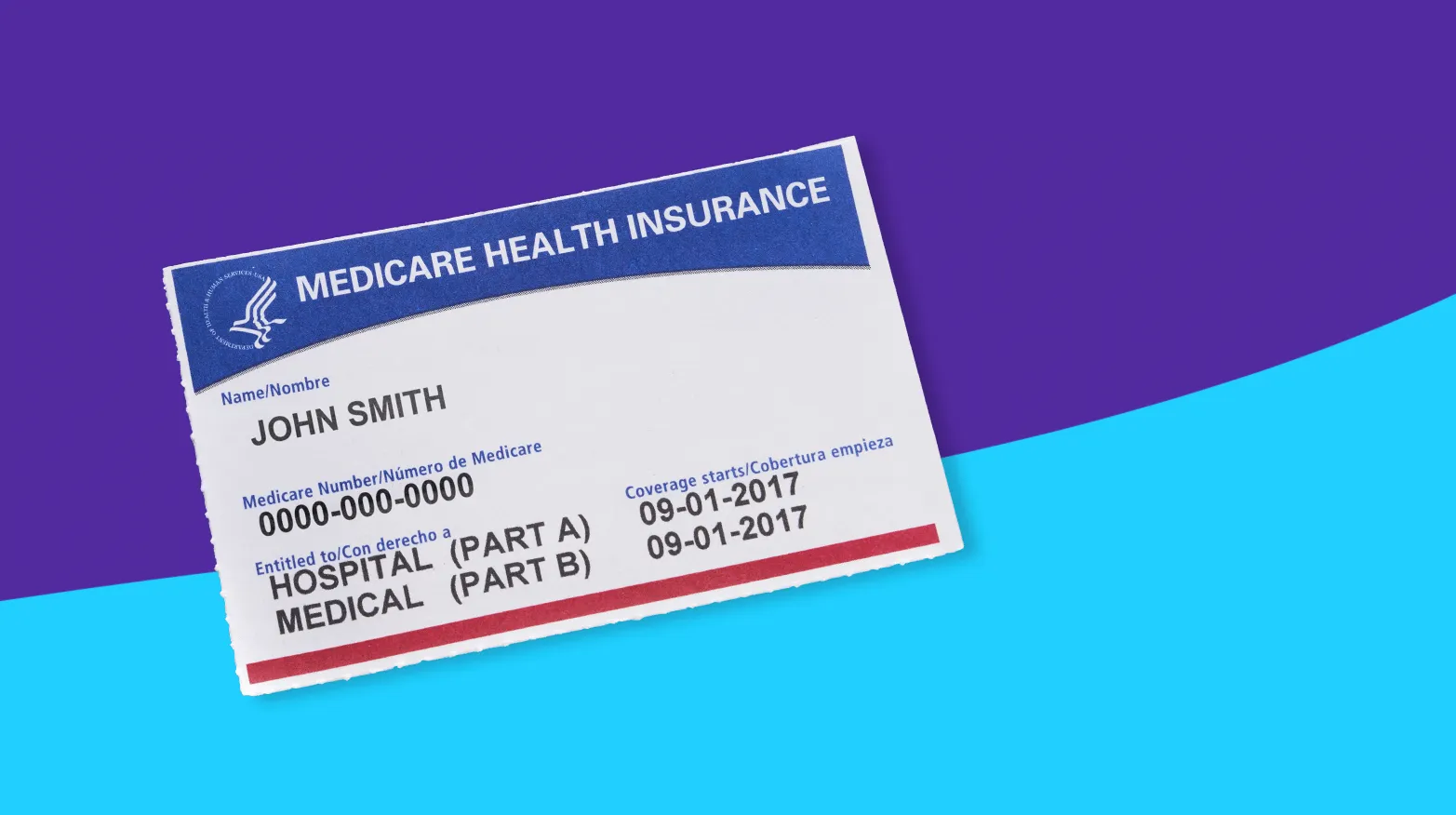
Medicare and HSAs in Arkansas: How Enrollment Affects Your Contributions
Table of Contents
If you are working past 65 in Arkansas and contributing to a Health Savings Account, signing up for Medicare changes the rules immediately. The IRS does not allow you to make new HSA contributions for any month you are enrolled in Medicare, including Part A. That single fact trips up thousands of AR workers every year, especially anyone who claims Social Security before deciding what to do about Medicare.
"After you enroll in one or more parts of Medicare A, B, C, or D, the IRS rules stop you from putting away additional money in your HSA," warns David Resnik, a licensed Medicare agent in Massachusetts. That single rule trips up thousands of workers every year, and it applies to Arkansas residents the same way it applies everywhere else, even to premium-free Part A that many people assume is harmless to accept at 65.
The good news: you can still spend the money already in your HSA on qualified medical expenses, including a lot of Medicare costs. The tricky part is the timing. Here is what Arkansas residents need to know before filling out an enrollment form.
HSA Eligibility Ends the Month Medicare Part A Starts
To contribute to an HSA, you have to be enrolled in a qualifying high-deductible health plan and have no other disqualifying coverage. Medicare counts as disqualifying coverage. The moment any part of Medicare becomes effective, your HSA contribution eligibility ends for that month and every month after.
It does not matter whether you signed up voluntarily, were auto-enrolled because you started Social Security, or only enrolled in Part A because you thought it was free. Part A alone is enough to disqualify you from new HSA contributions. Your existing balance stays put and keeps earning interest, but the deposits stop. This rule applies the same way in Arkansas as it does anywhere else, since HSA rules are federal under IRS Publication 969.
According to Trever Dahms, a licensed Medicare agent in Florida, "You can delay enrolling in Part A, Part B, and Part D without a late enrollment penalty as long as that coverage stays in place. Once the employer coverage ends, you'll get an 8-month Special Enrollment Period to sign up for Part A and B." For AR workers without an HSA at stake, premium-free Part A at 65 is usually a no-brainer. For HSA contributors, delaying enrollment through the Special Enrollment Period route is often the smarter play.
The HSA Medicare 6-Month Lookback Rule and Contribution Penalty
This is the rule that surprises most workers in Arkansas. When you enroll in Medicare after age 65, Part A coverage is backdated up to six months (but never earlier than the month you turned 65). So if you delay Medicare and finally sign up at, say, 67, your Part A start date will likely be six months before your application date.
That backdating means HSA contributions you made during those six months are now considered excess contributions in the eyes of the IRS. Anyone still working at 65 with employer coverage needs to plan around this carefully, and that goes for Arkansas workers covered by a small employer or a large one.
"Medicare Part A is often retroactive by up to 6 months. If you contribute to your HSA during this retroactive period, you may face a 6% tax penalty on the excess," warns Frank Carta, a licensed Medicare agent in Michigan. The penalty is not a one-time hit either, it repeats each year the excess sits in the account.
Practical takeaway: stop HSA contributions at least six months before the date you plan to enroll in Medicare or claim Social Security. If you start Social Security at 66, your HSA contributions should have stopped at 65 and 6 months. The mistakes most first-time Medicare enrollees make usually trace back to ignoring this lookback window.
Prorated HSA Contribution Limits in the Year You Enroll in Medicare
The year you enroll in Medicare, your annual HSA contribution limit gets prorated based on how many months you were HSA-eligible. The rule is simple: take the full annual limit, divide by 12, and multiply by the number of months before Medicare started.
For 2026, the IRS set the annual HSA contribution limit at $4,400 for self-only coverage and $8,750 for family coverage, with an extra $1,000 catch-up contribution allowed for anyone 55 or older. Your prorated limit is calculated against whichever figure applies to your coverage in Arkansas:
- Enrolled in Medicare in July? You were eligible January through June, so your limit is 6/12 of the annual cap.
- Enrolled in Medicare in March? You get 2/12 of the annual cap (January and February).
- Enrolled in Medicare in January? Your limit for that year is zero.
Catch-up contributions for people 55 and older are also prorated the same way. Putting in more than the prorated amount creates an excess contribution, which the IRS taxes at 6% per year until you remove it. Arkansas has no separate state-level HSA penalty, but the federal excise tax applies to AR residents the same way it applies everywhere else.
What If You Already Over-Contributed?
If you find out late that Medicare backdating wiped out part of your contribution year, Arkansas residents have two reasonable options:
- Withdraw the excess plus earnings before your tax deadline. Your HSA custodian has a form for this. The earnings portion is taxable, but you avoid the 6% excise tax.
- Leave it and pay the 6% penalty. Sometimes worth it if the excess is small, but the penalty repeats every year the excess sits in the account.
If your employer was making contributions on your behalf through payroll, talk to HR fast. Employer contributions count toward the same prorated limit, and unwinding them after a W-2 has been issued is messy. This becomes a tax-bill issue worth reading our piece on Medicare choices that can accidentally raise your tax bill.
Can You Delay Medicare Part A to Keep Your HSA?
Yes, but only if you have not started Social Security. Once you claim Social Security benefits, Medicare Part A enrollment is automatic and not optional. You cannot keep one and refuse the other. Arkansas residents who want to maximize HSA contributions usually delay Social Security past 65.
If you are not taking Social Security yet and your employer coverage qualifies as a high-deductible health plan with HSA eligibility, you can delay Part A and keep funding your HSA. When you eventually retire or lose that coverage, a Special Enrollment Period lets Arkansas workers sign up for Medicare without late penalties. The rules around SEPs can be tricky, so understand them before your coverage ends.
If you have already started Social Security and want to undo Part A enrollment to restart HSA contributions, the process is complicated and usually requires paying back any Medicare or Social Security benefits you have received. "Once you're enrolled in Medicare Part A, it's very difficult to drop it without also withdrawing from Social Security benefits," says Ann Sanfelippo, a licensed Medicare agent in Florida. "Even if you haven't started Social Security yet, the Social Security Administration generally treats Part A enrollment as voluntary and does not allow disenrollment by itself in most cases." Most AR retirees decide it is not worth the headache.
Can You Use Your HSA for Medicare Premiums?
Even after contributions stop, the existing HSA balance is one of the most tax-efficient ways for Arkansas retirees to pay for Medicare expenses. According to Tamela Clayton, a licensed Medicare agent in Texas, "You can use money from a Health Savings Account to pay most Medicare premiums after you retire, like Part B, Part D, and Medicare Advantage plan premiums, plus your deductibles, copays, and coinsurance. The big exception is Medigap. HSA money can't be used to pay Medicare Supplement premiums."
Qualified medical expenses you can pay tax-free from an HSA include:
- Medicare Part B premiums
- Medicare Part D premiums
- Medicare Advantage (Part C) premiums
- Deductibles, copays, and coinsurance under any part of Medicare, including Part A hospital costs
- Dental and vision care that Medicare does not cover
- Hearing aids
- Long-term care insurance premiums (subject to age-based caps)
Medigap (Medicare Supplement) premiums are the notable exception. Those cannot be paid from an HSA on a tax-free basis. If you are weighing a Medicare Supplement plan versus a Medicare Advantage plan as a Arkansas resident, the HSA spending rules are one more variable to factor in. The broader question of how much Medicare costs in 2026 matters too, since HSA dollars stretch further when paying premiums tax-free.
Timing Your Enrollment Around HSA Contributions
If protecting your HSA contributions matters to you as a Arkansas worker, the cleanest approach is:
- Confirm your employer plan is HSA-qualified and that your employer has 20 or more employees (so it stays primary over Medicare).
- Do not start Social Security until you are ready to also start Medicare.
- Stop HSA contributions at least six months before your planned Medicare start date.
- Apply for Medicare during your Special Enrollment Period after employer coverage ends. See our guide on how to apply for Medicare for the actual mechanics.
Anyone unsure about the moving parts should run the timeline by a benefits administrator or a local Arkansas Medicare agent before signing anything. The penalties for getting Medicare timing wrong can stack up across multiple parts of the program. If money is tight after retirement, also look at Medicare Savings Programs that AR residents may qualify for.
Common Mistakes to Avoid
- Auto-enrolling in Part A when you take Social Security at 65 without realizing it ends your HSA contributions. This is one of the bigger Medicare myths we see in Arkansas.
- Forgetting the 6-month lookback and contributing right up to your Medicare enrollment date.
- Assuming employer payroll HSA contributions are someone else's problem. They count toward your prorated limit too.
- Trying to reverse Part A enrollment without understanding you may have to repay Social Security benefits.
- Mixing up Medicare timing with the Annual Enrollment Period. AEP is for changing plans, not for first-time enrollment if you missed your initial window.
Frequently Asked Questions
Can someone on Medicare still contribute to an HSA?
No. Once any part of Medicare is effective for a Arkansas resident, including premium-free Part A, new HSA contributions have to stop for that month and every month after. You can still spend the existing balance tax-free on qualified medical expenses, but no new deposits (yours or your employer's) can be added while you are enrolled in Medicare.
Can I use my HSA to pay for my spouse's Medicare premiums?
Yes, but only once you (the account holder) are 65 or older. After that, you can use HSA funds tax-free to pay your spouse's Part B, Part D, and Medicare Advantage premiums in Arkansas, even if you are not yet on Medicare yourself. Medigap premiums are still excluded.
Can I keep my HSA after I enroll in Medicare?
Yes. Arkansas residents keep the account and can spend the existing balance tax-free on qualified medical expenses for the rest of their lives. The only change is that new contributions stop the month any part of Medicare becomes effective.
Does my employer's HSA contribution count toward the prorated limit?
Yes. Payroll contributions from your employer count against the same prorated annual cap as your own deposits. If your employer keeps funding the account after Medicare starts, those amounts become excess contributions and have to be removed or taxed.
HSAs and Medicare can work together for Arkansas residents if you plan ahead. They cause expensive headaches when people enroll first and ask questions later. For broader context on enrollment timing, see our guide on turning 65 and Medicare enrollment.

George Ibanez
Licensed Arkansas Medicare Agent
Contact George through Medicare Agents Hub »
I have been helping seniors with their Medicare needs since 1984 and I represent the nation's most trusted carriers for Medicare Advantage, Medicare Supplement plans, Medicare prescription drug plans, and more.
We are licensed and appointed with United Healthcare, Mutual of Omaha, BCBS, Humana, Cigna, Aetna, Medico, Wellabe, Healthspring, Devoted, and many more.
I will help you find the best solution since I am all about what plan works best for you and since I am a broker and not a captive agent I will look through all the different carriers and find the best plan that works for your personal situation and your budget and I will only recommend the plans that work best for you.
I represent all major carriers, and I have many years in the business as well as a staff that is well trained, client oriented and with great knowledge on every aspect of Medicare based plans.
I can also help you with dental plans. vision plans, life insurance, long term care , short term care, and hospital indemnity plans.
My services are completely free to you, and I get paid directly by the insurance companies!